THOTCON 0xD Badge — Part 4: Enclosures, Tariffs, and the Grind of Production
Laser-cut acrylic instead of injection molding, a tariff bill that went from $10,000 to $4,500, and volunteers with hex drivers.
Enclosures, Tariffs, and the Grind of Production
If firmware is where the badge comes alive, enclosure design is what gives it a body—and manufacturing is where things get real.
This post digs into the physical side of the badge: the acrylic enclosures, the headaches of international part sourcing, and the logistics of getting hundreds of units built and into hackers' hands.
Enclosure Design: Acrylic > Injection Mold
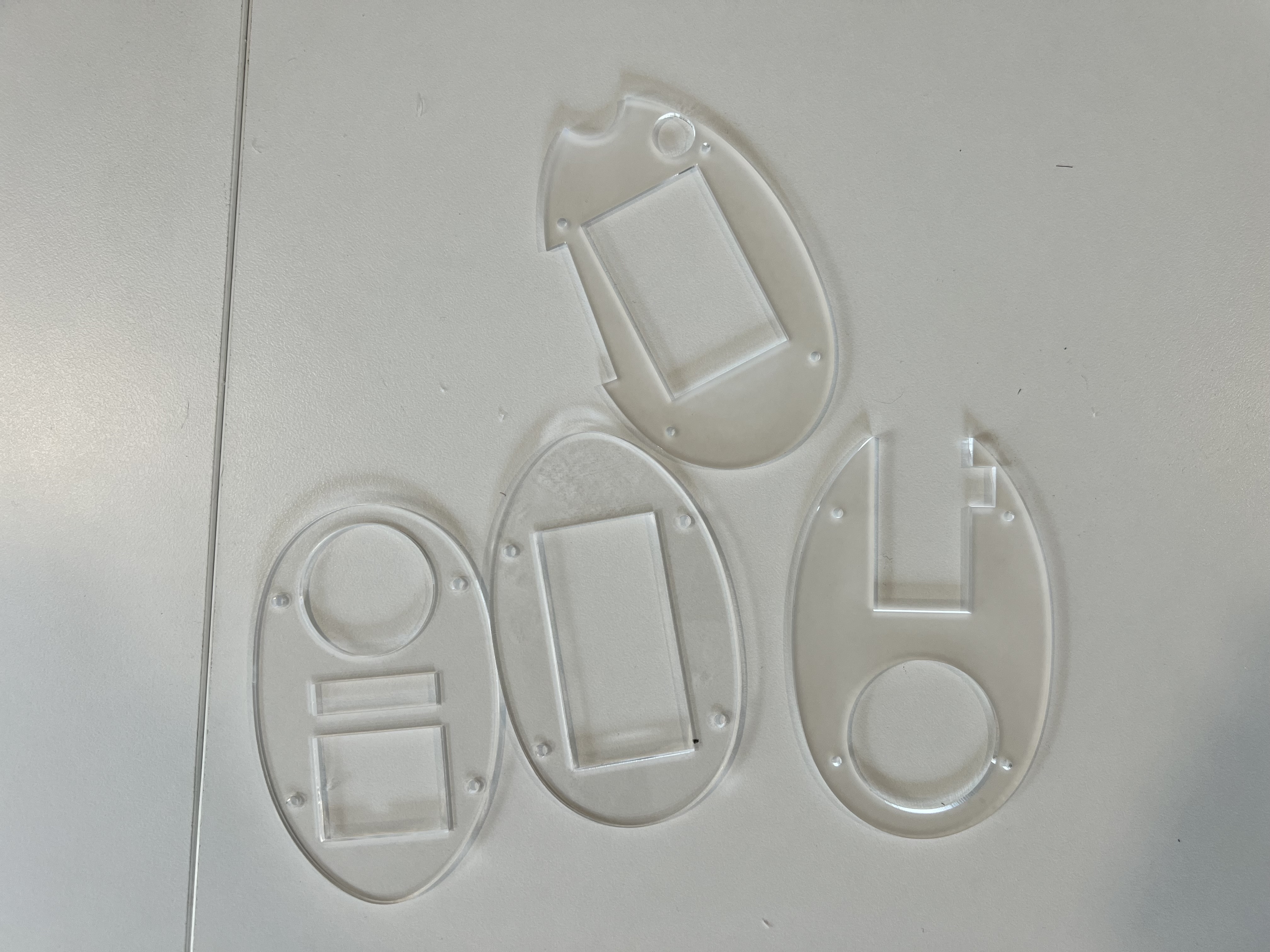
Back in Part 1 I mentioned our early enclosures were laser-cut from standard Glowforge acrylic. We doubled-down on that approach for production because:
- Cost-efficiency – acrylic came in at roughly one-third to one-fourth the price of injection-molded plastic.
- Speed & flexibility – no tooling lead-times; we could iterate with every new laser pass.
- DIY aesthetics – a badge that shows its guts through clear acrylic just looks right.
Fastening: we chose M2.5 bolts (matching typical PCB drill sizes). They started at 12 mm length; production dropped to 10 mm after test fits.
Why Only a Front Plate?
The plan was a full clam-shell (front + back), but reality intervened:
- Tight timeline (tariffs delayed parts)
- Volunteer labor limits
- Extra screws per unit doubled assembly time
So we shipped a single front face. It still looked slick and protected the PCB while providing a finger guide for the capacitive touch wheel.
Ponoko, Samples, & Last-Minute Lasers
- Supplier: Ponoko (NZ-US distributed maker service).
- Timeline: Samples months out → final run two weeks pre-event.
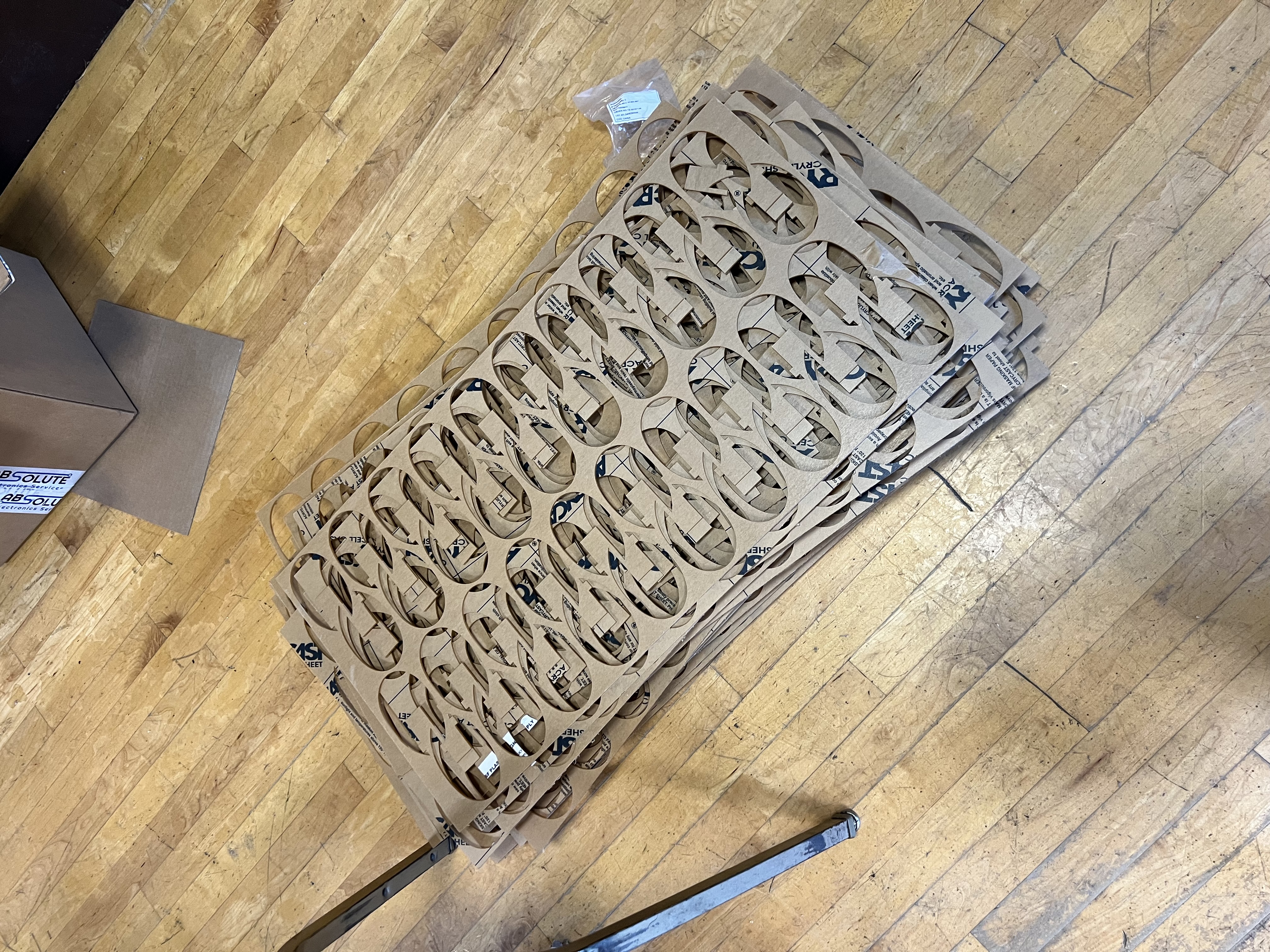
- Assembly: boxes of acrylic + bags of screws landed at THOTCON; volunteers armed with hex drivers did the rest.
Tariffs, DHL, and… Fentanyl?
Our screens arrived on a bill of $6 k—then customs classified them as televisions → $10 k tariff. After two days of calls with DHL we got a creative re-code and knocked the fee down to $4,500 of fentanyl tariffs (of all things). Ridiculous, but it cleared.
Screens then shipped to Absolute Electronics (Mount Prospect, IL), our turnkey assembler.
Final Assembly & Cost
- PCB fab + population: Absolute Electronics
- Enclosure: laser-cut acrylic, M2.5 × 10 mm bolts
- Unit cost (all-in): ≈ $25 per badge
Not bad for a fully custom PCB, display, acrylic faceplate, and bespoke firmware stack.
Up Next
Part 5 will wrap the series with lessons learned, what we’ll change next time, and principles for community-driven hardware at scale.
Questions? Ping us or find me on Twitter—always happy to talk shop.